The Problem Solving: Moving Beyond Guesswork
True problem solving isn’t about being the smartest person in the room or guessing the right answer on the first try. It is about applying a structured, repeatable framework to break down chaos into manageable, technical systems. Here is how to approach any complex challenge with an engineering mindset.
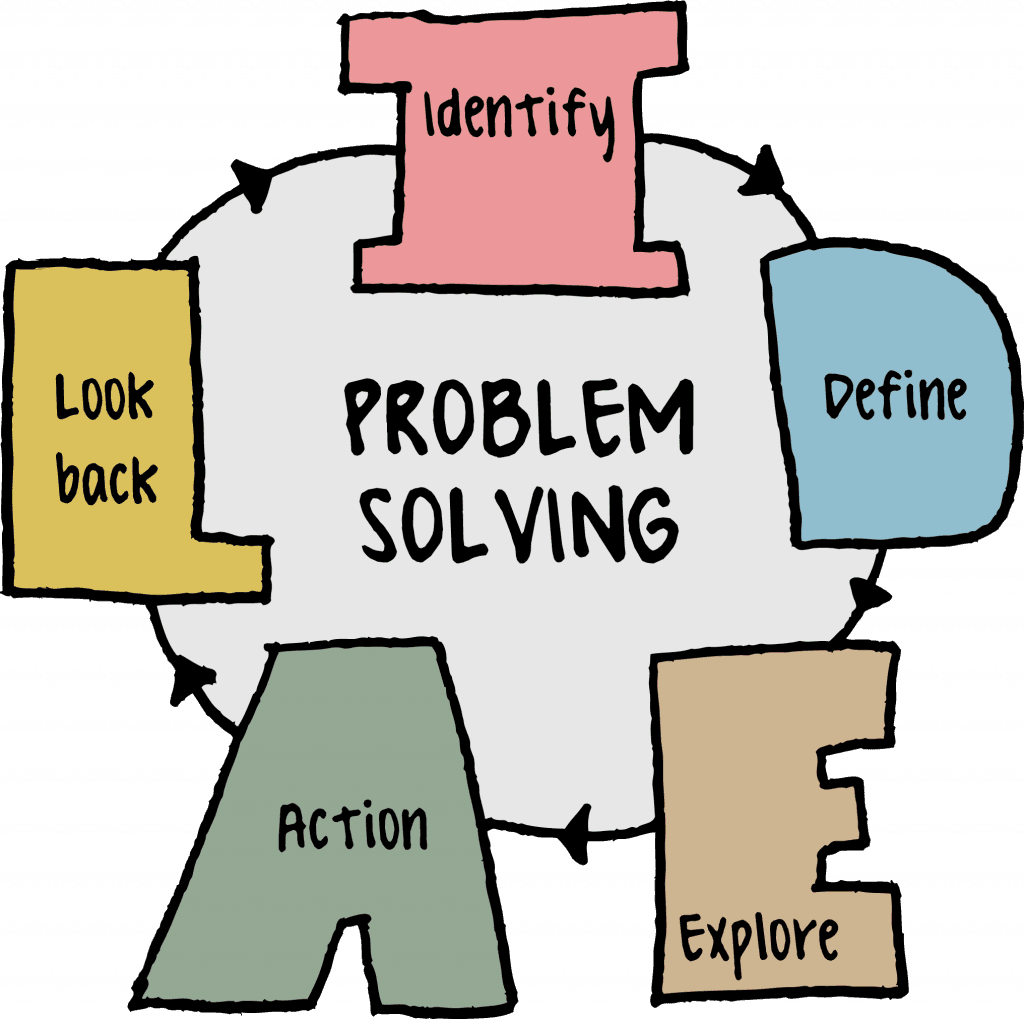
Every developer eventually finds a framework that changes the way they think about navigating difficulties.
For some teams, it's Design Thinking.
For others, it's Six Sigma, Agile Retrospectives, or Root Cause Analysis.
For me, that framework is systematic engineering-based problem solving.
When I first started exploring technical systems, I was exposed to the traditional approach of fixing things by trial and error.
A bug appeared on one platform.
Someone guessed a hotfix.
Another issue surfaced somewhere else.
A different band-aid tool was thrown at it.
The amount of duplicated, unorganized effort felt unnecessary.
Then I discovered structured problem solving.
At first, I viewed it simply as a debugging tactic.
Over time, I realized it was much more than that.
It fundamentally changed how I approach challenging situations in both software and life.
More Than Finding Quick Fixes
The feature most people associate with problem solving is the quick fix.
And rightfully so.
A fast solution keeps projects moving when timelines are tight.
But what attracted me wasn't simply resolving a symptom once.
It was maintaining the system once.
As systems grow, technical debt and recurring failures become significantly more expensive than initial development.
Fighting identical fires repeatedly can quickly become overwhelming.
Structured engineering methods dramatically reduce that burden.
The Trap of Scattered Symptoms
As projects scale, how you isolate a problem becomes increasingly important.
I enjoy building workflows that are maintainable, scalable, and easy to understand.
Many people think fixing an issue means changing parameters haphazardly until something starts working again.
That approach breaks down rapidly.
When fixes are scattered randomly across your operations, you lose track of dependencies.
It pollutes your core architecture.
It causes unexpected downstream failures.
To build sustainable systems instead of fragile interfaces, we must look at how structured engineering separates the root cause from a temporary symptom.
Step 1: Problem Definition (The Entity)
In software and systems engineering, you cannot fix what you do not accurately measure.
A well-defined problem maps a chaotic situation directly into a clean, bound metric.
Instead of allowing vague complaints or loose, emotional feedback to float around your workspace, you enforce a strict layout.
Whether it is a performance bottleneck in a mobile app data layer or a breakdown in team communication, a true problem statement defines explicit boundaries.
It states exactly what the current state is, what the expected state should be, and the measurable gap between them.
It cleanly isolates what the issue looks like from how it will be resolved.
Step 2: Root Cause Isolation (The Gatekeeper)
One of the greatest architectural patterns you can adopt in general problem solving is isolating the root cause before writing a single line of a solution.
Think of this phase as a gatekeeper.
The execution layer shouldn't care how chaotic the initial discovery was; it should only receive clean, verified targets.
Instead of scattering quick patches everywhere, you focus on the core source.
A classic mental tool I use here is the "5 Whys" methodology—iteratively drilling down beneath the surface symptoms until the fundamental systemic flaw is exposed.
If a local data sync fails, you don't just patch the network timeout widget. You trace it down to the database connection lifecycle.
This layout creates an exceptional workflow experience.
If the underlying root cause is addressed correctly, you modify the system exactly once.
Your surrounding environments, state configurations, and everyday workflows remain completely untouched and stable.
The Execution Plan
As an engineer, you don’t deploy a solution blindly.
Instead, you implement structural concepts using a safe pipeline: creating a clear hypothesis, testing it in an isolated sandbox environment, measuring the result, and establishing a rollback strategy if it fails.
A professional, production-ready framework for executing a solution cleanly looks like this:
                  ┌──────────────────────────┐
                  │ 1. Define the Metric Gap │
                  └─────────────┬────────────┘
                                │
                                ▼
                  ┌──────────────────────────┐
                  │   2. Drill to Root Cause │
                  └─────────────┬────────────┘
                                │
                                ▼
                  ┌──────────────────────────┐
                  │ 3. Build Isolated Fixes  │
                  └─────────────┬────────────┘
                                │
                                ▼
                  ┌──────────────────────────┐
                  │  4. Measure & Standardize│
                  └──────────────────────────┘
The Ultimate Goal: Systemic Prevention
For me, organizing solutions cleanly isn't just about restoring temporary availability.
It's about creating a foundational layer for permanent systemic prevention.
When upgrading an ecosystem after a failure, documentation and automation are your ultimate reference points.
By tracking exact failure states, conducting honest post-mortems, and building automated safeguards into your daily routine, you create a highly stable environment.
The system catches future regressions instantly, logs exactly why the variance occurred, and flags it gracefully before it ever reaches a live production environment or disrupts your users.
Final Thoughts
Problem solving feels like real engineering when you look past individual daily tasks and focus on systemic execution patterns.
Whether you are refactoring a complex database helper, managing a cross-functional team, or resolving everyday bottlenecks, organizing your approach around explicit boundaries and clean root-cause isolation is a game-changer.
It keeps your project scalable, testable, and robust.
Don't just patch interfaces. Build systems.