Why I Choose Flutter and Flame for Building 2D Games and Board Games
Discover why Flutter and Flame have become my preferred technology stack for developing 2D games and digital board games. From cross-platform deployment and rapid development to powerful rendering and maintainable architecture, learn how this combination accelerates game development without sacrificing performance.

Why I Choose Flutter and Flame for Building 2D Games and Board Games
When people think about game development, they usually think of Unity, Unreal Engine, Godot, or custom game engines.
Rarely does Flutter enter the conversation.
After all, Flutter is primarily known as a framework for building mobile applications.
So why would anyone choose Flutter for game development?
More specifically, why would someone choose Flutter and Flame to build a 2D game or a digital board game?
After building several Flutter applications and exploring game development, I found that Flutter combined with the Flame engine provides a surprisingly powerful solution for a large category of games.
Especially board games.
Especially casual 2D games.
And especially projects where rapid development, maintainability, and cross-platform deployment matter more than advanced 3D graphics.
The Reality of Most Games
Not every game needs Unreal Engine.
Not every project requires real-time ray tracing, advanced physics simulations, or photorealistic graphics.
Many successful games are fundamentally simple.
- Ludo
- Chess
- Snake and Ladder
- Sudoku
- Checkers
- Card Games
- Puzzle Games
- Casual Arcade Games
These games rely far more on game logic than graphical complexity.
The challenge is usually implementing rules, multiplayer synchronization, matchmaking, player progression, animations, and responsive user interfaces.
This is exactly where Flutter shines.
Flutter Gives Me Cross-Platform Development for Free
1One of the biggest reasons I use Flutter is its ability to target multiple platforms from a single codebase.
Instead of building separate applications for Android, iOS, Web, and Desktop, I can maintain a unified project.
That means:
- One codebase
- One business logic layer
- One networking layer
- One deployment workflow
For board games, this advantage is enormous.
A player using Android can compete with another player using the web version without requiring separate development teams.
The development effort remains focused on the game itself rather than platform-specific implementations.
Flame Brings Game Development Features Without Heavy Complexity
While Flutter is excellent for application development, it wasn't originally designed as a game engine.
This is where Flame enters the picture.
Flame is a lightweight game engine built specifically for Flutter.
It provides the fundamental building blocks needed for game development:
- Game loops
- Sprites
- Animations
- Collision detection
- Camera systems
- Input handling
- Audio integration
- Component-based architecture
Instead of building these systems from scratch, developers can focus on gameplay.
Flame feels lightweight while still providing the tools required for professional 2D projects.
Board Games Are More About Logic Than Graphics
One reason Flutter and Flame work exceptionally well for board games is that board games are primarily logic-driven.
Consider a digital Ludo game.
The most challenging parts are not rendering the board.
2The real challenges are:
- Dice rolling logic
- Pawn movement rules
- Turn management
- Win conditions
- Multiplayer synchronization
- Matchmaking
- Game state persistence
- Authentication
- Profiles
- Leaderboards
- Friends Lists
- Settings
- Achievements
- Store Pages
- Match History
Flutter's architecture makes these challenges easier to manage.
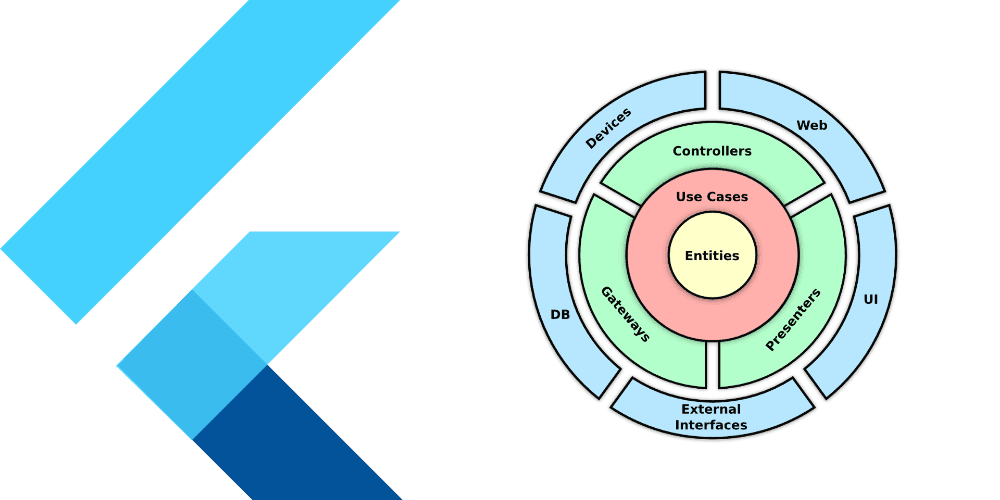
Features can be organized using Clean Architecture or MVVM while Flame handles rendering and gameplay visualization.
The result is a clean separation between game rules and user interface.
Rapid Development Matters
One of Flutter's greatest strengths is developer productivity.
Hot Reload significantly reduces development time.
A small animation tweak can be tested instantly.
A board layout adjustment can be previewed immediately.
A gameplay mechanic can be refined without restarting the application.
These small improvements compound over time.
The faster feedback loop allows developers to iterate on game mechanics much more efficiently.
Flutter's UI System Is Perfect for Game Menus
Most games are not gameplay screens all the time.
They also include:
Traditional game engines often require additional effort to build polished application interfaces.
Flutter already excels at creating beautiful user interfaces.
This means the non-game portions of the application become easier to develop and maintain.
For board games and casual multiplayer games, this advantage is extremely valuable.
3Modern Architecture Fits Naturally
Another reason I enjoy using Flutter is the ability to apply modern software engineering practices.
My game projects typically follow a structure similar to:
features/ ├── auth/ ├── profile/ ├── game/ │ ├── data/ │ ├── domain/ │ ├── engine/ │ └── presentation/ ├── settings/ └── online_mode/This separation keeps gameplay logic isolated from UI concerns.
The game engine handles rules and mechanics.
The presentation layer handles rendering.
The data layer manages APIs and storage.
The result is a codebase that remains maintainable as the project grows.
Performance Is Better Than Many Developers Expect
A common misconception is that Flutter cannot handle games efficiently.
For many 2D games, this simply isn't true.
Flutter uses the Skia rendering engine, which delivers smooth graphics rendering across platforms.
Combined with Flame's optimized component system, performance is more than sufficient for:
- Board Games
- Puzzle Games
- Card Games
- Strategy Games
- Educational Games
- Casual Arcade Games
While Flutter is not intended to replace dedicated 3D engines, it performs exceptionally well within its target domain.
When I Would Not Use Flutter and Flame
No technology is perfect for every situation.
If I were building:
- AAA Games
- High-End 3D Experiences
- Open World Environments
- Advanced Physics Simulations
- Console-Focused Titles
I would likely choose Unity, Unreal Engine, or another specialized game engine.
The right tool depends on the problem.
Flutter and Flame are not trying to compete with Unreal Engine.
They solve a different category of problems.
Final Thoughts
For 2D games and digital board games, Flutter and Flame provide an excellent balance between productivity, maintainability, and performance.
Flutter enables rapid cross-platform development while Flame supplies the game-specific tools needed for rendering and gameplay.
Together, they create a development experience that feels modern, efficient, and enjoyable.
As someone who enjoys both software engineering and game development, I appreciate being able to apply clean architecture, state management, and scalable engineering practices to interactive experiences.
For projects such as Ludo, Chess, Snake and Ladder, card games, and casual multiplayer experiences, Flutter and Flame have proven to be a combination that delivers far more capability than many developers initially expect.